
Imagine a computer in the 1950s. Back then, computers were the size of a room, far from advanced, and could only follow rigid instructions written by humans. But a big question emerged: could a machine learn on its own (machine learning), without being programmed with every single rule?
This question sparked the birth of machine learning. Alan Turing, a pioneer of modern computing, had already proposed the idea of a machine that could “think.” A few years later, Arthur Samuel created a simple program that could learn to play checkers. This was the moment the term machine learning became known.
In the early days, these experiments were still very limited. Computers could only learn from small amounts of data, and the algorithms were simple. But one thing was clear: the seed for “a machine that can learn” had been planted.
When Data Flooded the World
A major leap came when the world entered the digital era. The internet, social media, online transactions, and smart sensors produced an enormous amount of data. Every second, millions of photos are uploaded, billions of messages are sent, and trillions of clicks are recorded.
For machine learning, this was like an unlimited fuel source. But it also brought challenges:
- Not all data is clean—much of it is noisy or messy.
- Old algorithms could no longer handle such massive scale.
- Privacy and ethical issues emerged, as the data often contained personal information.
These challenges accelerated innovation. Researchers began developing deep learning, complex algorithms inspired by the human brain. At the same time, cloud computing began to rise, enabling massive data processing like never before.
From Data to Decisions
Once machine learning became “smart enough” to interpret data, it started helping humans make better decisions. Machines were no longer just “fast calculators”—they became pattern readers and intelligent recommendation systems.
- In hospitals, ML helps doctors analyze MRI scans to detect cancer earlier.
- In banks, systems monitor millions of transactions and instantly spot suspicious activity.
- In e-commerce, every click is studied to offer personalized product recommendations.
- On the roads, self-driving cars learn to recognize traffic lights and pedestrians.
Machine learning now enables people to make decisions in seconds instead of hours or days.
Evolving Into Artificial Intelligence
As machine learning grew more powerful, it became the foundation for something larger: Artificial Intelligence (AI). If machine learning is a machine that can “learn,” then AI is a machine that can “understand” and “act.”
Today, we coexist with AI every day:
- Virtual assistants that understand your voice.
- Phone cameras that recognize faces.
- Chatbots that serve customers 24/7.
- Generative AI that can write text, create images, or compose music.
A world once found only in science fiction is becoming reality.
Skills Needed in the Era of ML and AI
For anyone who wants to be part of this fast-growing field, there are several key skills to master:
- Math and Statistics – The foundation of all algorithms.
- Programming – Python is the most widely used language.
- Machine Learning Algorithms – From simple regression to complex neural networks.
- Data Processing – Cleaning and preparing data before feeding it into models.
- Tools and Frameworks – TensorFlow, PyTorch, and cloud platforms.
- Soft Skills – Critical thinking, communication, and understanding AI ethics.
With these skills, you won’t just understand how machines learn—you can build systems that create real-world impact.
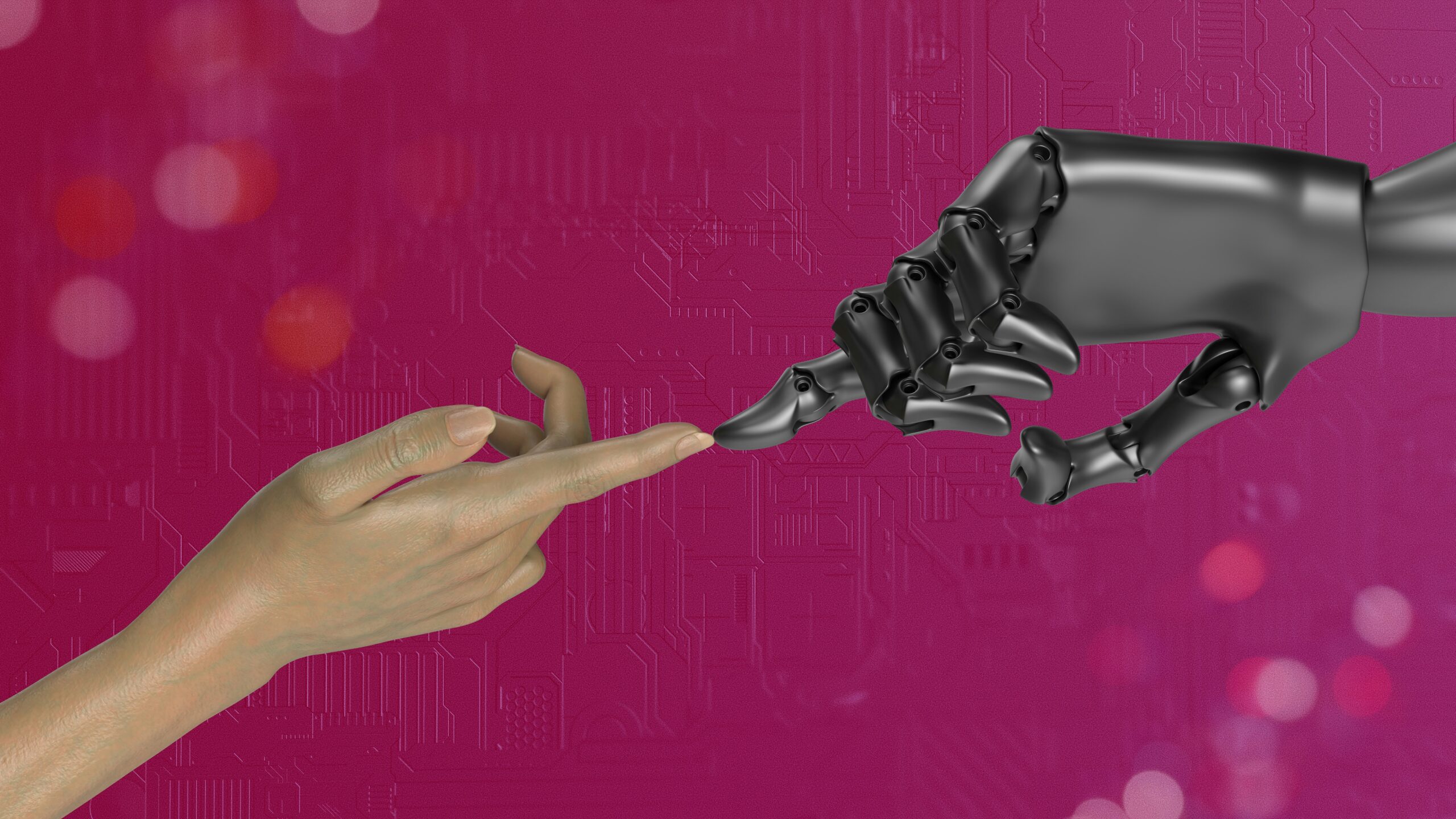
The journey of machine learning is the story of how humans tried to make machines more than just calculators. From a simple program in the 1950s, machine learning has grown into a technology that supports doctors, businesses, researchers, and everyday smartphone users.
And the journey is far from over. With more data and increasingly advanced algorithms, we are stepping into a new era—one where the line between human and machine becomes thinner, and the possibilities become endless.